ENavvi and Amazon Pharmacy Forge Strategic Alliance to Revolutionize Prescription Delivery and Patient Access

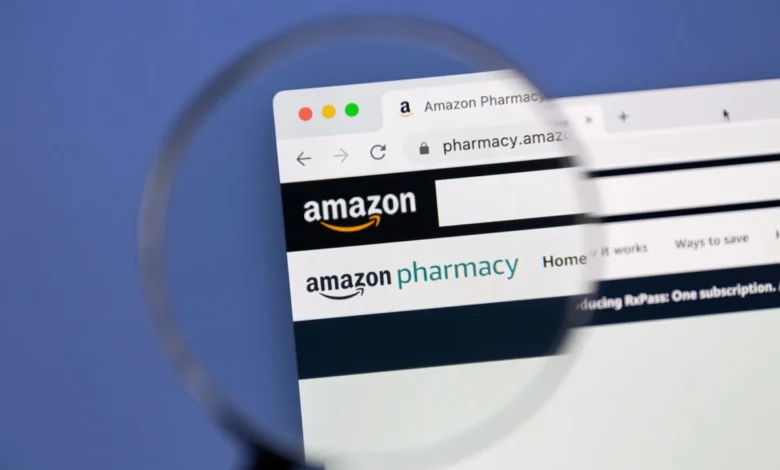
A groundbreaking collaboration between the digital prescription platform eNavvi and Amazon Pharmacy is set to redefine how healthcare providers access medication information and how patients receive their prescriptions. This strategic partnership, announced recently by both entities, aims to seamlessly integrate critical data points—including real-time pricing, stock availability, and delivery options—directly into physicians’ existing workflows. The overarching goal is to transform each patient consultation into a single, efficient point-of-sale (POS) moment for medication, leveraging Amazon’s extensive same-day delivery network, which currently serves nearly 3,000 U.S. cities, for swift fulfillment.
The announcement signifies a pivotal step in Amazon’s ongoing expansion into the healthcare sector, capitalizing on its unparalleled logistical capabilities and digital commerce expertise. For eNavvi, the partnership elevates its platform by embedding a robust fulfillment mechanism, promising to reduce friction and enhance transparency in the prescribing process. This integrated approach is designed to not only streamline operations for healthcare professionals but also to significantly improve medication accessibility and adherence for patients across the nation.
Amazon’s Evolving Footprint in Healthcare: A Chronology of Ambition
Amazon’s journey into healthcare has been marked by a series of strategic maneuvers, demonstrating its long-term ambition to disrupt various facets of the industry. The e-commerce giant first signaled its serious intent with the acquisition of PillPack in 2018 for approximately $750 million. PillPack, a digital pharmacy that organizes and delivers pre-sorted doses of medication to customers, provided Amazon with immediate licensure in all 50 U.S. states and a direct entry point into prescription fulfillment. This acquisition laid the groundwork for what would become Amazon Pharmacy.
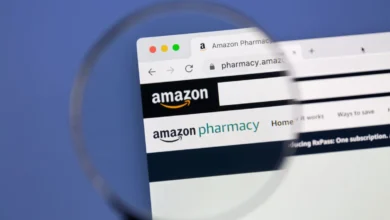
In November 2020, Amazon officially launched Amazon Pharmacy, allowing customers to order prescription medications for home delivery, offering a clear challenge to traditional pharmacies. The service offered competitive pricing, convenient delivery, and the added benefit of Prime member discounts, directly leveraging Amazon’s vast customer base and logistics infrastructure. While Amazon has experienced some setbacks, such as the discontinuation of Amazon Care—its primary care and telehealth service—in 2022, its commitment to pharmacy and medication delivery has remained steadfast. The eNavvi partnership underscores a refined strategy: rather than building out comprehensive care delivery from scratch, Amazon appears focused on leveraging its core strengths in logistics and digital platforms to optimize existing healthcare workflows and enhance patient access to essential medications. This latest move solidifies Amazon Pharmacy’s position as a significant player, further integrating itself into the clinical decision-making process at the point of care.
Addressing Healthcare’s Persistent Challenges: Transparency, Access, and Adherence
The U.S. healthcare system has long grappled with systemic inefficiencies, particularly concerning prescription medication. A significant challenge has been the lack of price transparency, leaving both physicians and patients in the dark about actual medication costs until they reach the pharmacy counter. This uncertainty often leads to medication abandonment, where patients forgo filling prescriptions due to unexpected expenses. According to a 2023 study by GoodRx, nearly one-third of Americans reported not taking their medication as prescribed due to cost.
Another critical issue is access. The phenomenon of "pharmacy deserts," areas lacking convenient access to pharmacies, disproportionately affects rural communities and underserved urban neighborhoods. Patients in these areas often face significant travel burdens to obtain necessary medications, contributing to delays in treatment and poor health outcomes. A 2022 analysis by the National Community Pharmacists Association (NCPA) highlighted that over 1,000 independent pharmacies closed between 2003 and 2021, exacerbating access issues in many communities.
Furthermore, medication non-adherence remains a pervasive and costly public health problem. The World Health Organization estimates that medication adherence rates for chronic diseases average only 50% in developed countries. In the U.S., non-adherence is estimated to cause 125,000 deaths and up to 10% of hospitalizations annually, costing the healthcare system between $100 billion and $300 billion each year. Factors contributing to non-adherence include high costs, inconvenience, complex dosing regimens, and lack of understanding about medication importance. The eNavvi and Amazon Pharmacy collaboration directly targets these multifaceted issues by bringing transparency, convenience, and direct access to the forefront of the prescribing experience.
The Power of Integration: Transforming the Physician Workflow
The core innovation of this partnership lies in its ability to embed crucial medication information directly within the physician’s workflow. Traditionally, after a physician writes a prescription, the patient is left to navigate the complexities of pharmacy choice, price comparisons, and pick-up logistics. This often involves phone calls, multiple pharmacy visits, and potential delays. The new system aims to eliminate these touchpoints, providing immediate, actionable data to prescribers.
Simon Chang, chief executive officer at eNavvi, emphasized the transformative nature of this integration. "This collaboration fundamentally changes what physicians can see and do at the moment of prescribing," Chang stated. "Transparent pricing, real-time availability and direct routing to Amazon Pharmacy means better decisions and fewer barriers between patients and the medications they need." This means that while a physician is discussing treatment options with a patient, they can instantly view the cost of a medication through Amazon Pharmacy, check its availability, and even initiate the delivery process. This real-time data empowers clinicians to make more informed decisions, potentially selecting equally effective but more affordable alternatives, thereby directly impacting patient out-of-pocket costs and increasing the likelihood of prescription fulfillment. The reduction in administrative burden for clinics, currently bogged down by faxes, phone calls, and prior authorization challenges, is also a significant benefit.
Patient-Centric Benefits: Convenience, Savings, and Health Outcomes
For patients, the collaboration promises a dramatically improved experience characterized by unparalleled convenience and significant cost savings. The integration means that a prescription can be sent directly to Amazon Pharmacy and, thanks to Amazon’s robust logistics, be delivered to the patient’s doorstep, often on the same day. This eliminates the need for physical trips to the pharmacy, a particular boon for individuals with mobility issues, those in remote areas, or busy professionals.
Tanvi Patel, vice president and general manager at Amazon Pharmacy, highlighted the patient-centric vision. "Amazon Pharmacy is committed to providing a transparent pharmacy experience that removes the friction preventing patients from reliably accessing the medications they are prescribed," Patel explained. "By integrating directly into the prescribing workflow with eNavvi, we are helping clinicians and patients make informed decisions about their health. We know that when patients can conveniently access their medications, they take them and live healthier lives."
Beyond convenience, the financial incentives are substantial. Amazon Prime members will gain access to additional savings, potentially up to 80% off generic medications. Furthermore, patients can enroll in RxPass, Amazon Pharmacy’s $5 monthly subscription program, which offers unlimited access to a select list of generic medications at no additional cost beyond the subscription fee. These programs are designed to make essential medications more affordable, directly tackling the cost-related non-adherence crisis. Alys Reynders, chief marketing officer at Quickbase, a no-code workflow and operations platform, underscored the potential impact on healthcare access. "Critically, the innovation will provide clinicians with direct access to real-time medication costs and availability at the point of care, which can play a key role in eliminating ‘pharmacy deserts’ and hidden fees that could severely impact the ability for patients to access the treatments they need," Reynders stated. She further added that Amazon’s "highly-efficient nationwide delivery network" could mitigate the emergence of "pharmacy deserts" as the economy moves increasingly online.
Echoes from the Broader E-commerce Landscape: The Frictionless Imperative
The strategic alignment between eNavvi and Amazon Pharmacy is not merely an isolated healthcare innovation but mirrors a profound shift observed across the broader e-commerce landscape. This trend, often described as the "frictionless imperative," seeks to collapse the gap between the moment a purchase decision is made and the actual transaction. Vivien Garnès, co-CEO and co-founder of Upfluence, an influencer marketing platform, drew a direct parallel. "We’ve actually been seeing this shift play out in influencer marketing," Garnès observed. He described the traditional, multi-step process where a consumer would discover a product, then navigate to a separate website to purchase, noting, "Too many touchpoints where a sale could be lost."
Garnès elaborated that the convergence of touchpoints is now the winning strategy. "ENavvi embedding Amazon Pharmacy into the prescribing screen is the same logic Instagram and TikTok are applying to shoppable content," he said. Platforms like TikTok Shop allow users to buy a product directly within the app the moment they see it in a video or livestream, eliminating the need to leave the platform. This direct-to-purchase model is proving highly effective in reducing cart abandonment and increasing conversion rates. "Whenever and wherever a decision gets made, that’s where checkout needs to live," Garnès asserted. By applying this same principle to healthcare, the partnership aims to ensure that once a medical decision is made to prescribe, the fulfillment process is as immediate and seamless as possible, minimizing the chances of patients falling through the cracks due to inconvenience or hidden costs. This fundamental shift in user experience design, pioneered in retail, now finds a critical application in the essential realm of medication access.
Navigating the Regulatory Environment: Data Security and Patient Privacy
Any integration involving patient health information, particularly prescription data, operates under stringent regulatory frameworks, most notably the Health Insurance Portability and Accountability Act (HIPAA) in the United States. While the original article does not detail the technical safeguards, it is implicitly understood that a partnership of this magnitude between eNavvi and Amazon Pharmacy must adhere to the highest standards of data security and patient privacy. This involves robust encryption protocols, secure data transmission channels, and strict access controls to ensure that sensitive health information is protected from unauthorized access, use, or disclosure. Both companies would be classified as covered entities or business associates under HIPAA, requiring them to implement comprehensive compliance programs. The secure exchange of prescription data, medication history, and patient demographics is paramount, ensuring that while the process becomes more efficient, patient confidentiality and trust remain inviolable. The success of such a system hinges not only on its operational efficiency but also on its unwavering commitment to regulatory compliance and the ethical handling of personal health information.
Market Implications and Future Outlook
The eNavvi-Amazon Pharmacy collaboration carries significant implications for the broader pharmacy market and the future of digital health. For traditional pharmacies, particularly smaller independent ones, this represents increased competition from a deeply resourced and technologically advanced entity. It will likely accelerate the trend towards greater transparency in pricing and the demand for more convenient delivery options across the industry. Pharmacies that do not adapt by enhancing their digital capabilities and patient-centric services may find themselves at a disadvantage.
For the healthcare system at large, this partnership is a harbinger of deeper digital transformation. Alys Reynders of Quickbase described the collaboration as addressing a longstanding weak point in healthcare technology. "Given that the health care sector has long struggled with inefficiencies when it comes to digital transformation and the secure flow of patient data, the collaboration between eNavvi and Amazon Pharmacy for real-time prescription orders and medication pricing has the potential to transform patient access to important treatments," she observed. The model demonstrates how technology can bridge gaps in access, particularly for underserved populations and in addressing "pharmacy deserts." Reynders concluded, "Creating a secure corridor for prescription data to drive the rapid access [to] treatments for patients throughout the United States, the partnership between eNavvi and Amazon Pharmacy provides a glimpse into how medicine in the age of digital transformation can thrive." This strategic alliance points towards a future where medication access is less about physical proximity and more about seamless digital integration and efficient logistics, ultimately aiming for improved public health outcomes through enhanced adherence and equitable access.
Amazon’s Digital Commerce Prowess: A Statistical Overview
Amazon’s formidable position in the e-commerce world provides a powerful backdrop to this latest healthcare initiative. According to Digital Commerce 360’s Top 1000 Database, which tracks the largest North American online retailers by their annual e-commerce sales, Amazon ranks No. 1. This dominance in direct-to-consumer online sales underscores its logistical capabilities and market reach, which are directly leveraged in the Amazon Pharmacy model.
However, its standing in other digital commerce metrics offers a more nuanced view. Amazon ranks No. 158 in Digital Commerce 360’s AI Commerce Rankings, suggesting that while its overall sales volume is unmatched, its integration and utilization of advanced artificial intelligence in its commerce operations may not be as leading-edge as some specialized AI-first companies. Nevertheless, Amazon maintains a strong position in the broader online marketplace ecosystem, ranking No. 3 in Digital Commerce 360’s Global Online Marketplaces Database, which evaluates the 100 largest marketplaces by third-party gross merchandise value (GMV). This robust performance in diverse e-commerce categories highlights Amazon’s strategic strength and its ability to apply proven digital commerce principles to new sectors, including the complex and highly regulated healthcare industry. The eNavvi partnership is a clear demonstration of Amazon’s intent to translate its digital dominance into tangible healthcare solutions.